26700 Towne Centre Dr #290 Foothill Ranch, CA 92610

What Happens to Your Teeth When You Drink Cold Water?

Do you like to sip cool water, especially during the sweltering summer months? As much as it may be common knowledge, have you ever considered the potential consequences of drinking cold water on your teeth? The impact on your dental health is more complicated than you may imagine, even if it may appear innocuous. We’ll delve deeply into the science of tooth sensitivity in this guide and examine the relevant variables. Along with helpful advice on maintaining the health and happiness of your teeth, this blog will discuss how a Foothill Ranch, CA dentist may help you manage tooth sensitivity.
The Cold Water Effect
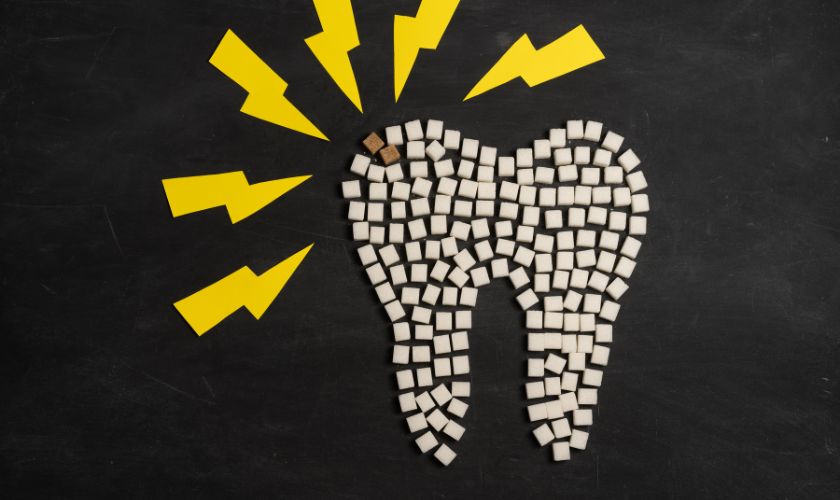
Let’s discuss the effects of drinking cold water. The abrupt temperature change that occurs when you drink chilly water might cause the dentin in your teeth to stretch and compress. It may cause irritation to the teeth’s nerve endings, which could result in an intense, momentary pain. This is what is usually meant to be understood as “tooth sensitivity.”
Individual differences exist in the intensity of this feeling, which can be attributed to various factors such as the overall condition of your teeth and the amount of dentin exposed. If you have teeth that are sensitive or have substantial dentin exposure, you might feel much more uncomfortable when drinking cold drinks.
What is Tooth Sensitivity?
Understanding the chemistry underlying tooth sensitivity is crucial to comprehending how cold water affects your teeth. The delicate inner layers of our teeth are shielded from outside influences by the enamel covering them. Tooth sensitivity, however, may result from a weakening or breakdown of this buffer.
Exposed dentin is one of the main causes of dental sensitivity. The layer of the tooth beneath the enamel is called dentin, and it has small tubules that link to the nerve endings within the tooth. When dentin is exposed, the nerves are directly affected by external stimuli, such as temperature fluctuations, which can cause pain and suffering.
Factors Contributing to Tooth Sensitivity
Finding the underlying reasons for this discomfort requires an understanding of the several components that contribute to dental sensitivity. You may learn more about these variables and how to properly treat them to have a better understanding of why your teeth could react negatively to cold water. The following are some of the main causes of tooth sensitivity:
Cracked or Chipped Teeth
Your teeth’s chips or cracks could be a conduit for temperature fluctuations to reach the tooth’s nerve endings. Dentin and other exposed inner layers react more strongly to temperature changes. Traumatic injuries, biting on hard objects, and even grinding your teeth while you sleep (bruxism) can all lead to chips or cracks in your teeth. To avoid more problems and lessen sensitivity, these matters need to be resolved right away.
Tooth Decay
Tooth sensitivity may be caused by cavities or tooth decay. Cavities are caused by bacteria eating away at the enamel, which leaves gaps in the inner layers of the tooth. These holes provide direct access to the tooth’s nerves for temperature fluctuations, including those brought on by cold water. It’s important to practice good dental hygiene and get cavities treated right away to prevent sensitivity brought on by tooth decay.
How to Protect Your Teeth
Maintaining your dental health depends on keeping your teeth from becoming sensitive, particularly while drinking cold water or other liquids. This is a thorough examination of the methods and techniques you can use to protect your teeth against discomfort caused by changes in temperature:
Maintain Proper Dental Hygiene
The cornerstone of oral health is practicing good dental hygiene. Regular brushing and flossing aid in removing plaque, which is a bacterial film that becomes sticky and builds up on teeth. Tooth decay and enamel erosion brought on by plaque accumulation raise the possibility of sensitivity. Take into account these suggestions to preserve your enamel’s cleanliness and protect it:
- A toothbrush with soft bristles is less likely to cause abrasion because it is kinder to your gums and enamel.
- Refrain from vigorous brushing since it can damage enamel and cause gum irritation. Apply light circular motions while brushing for a minimum of two minutes.
- Fluoride lessens the chance of dental sensitivity and strengthens enamel.
Visit Your Dentist
For the purpose of detecting and treating dental problems such as gum recession, cavities, and enamel erosion, routine dental checkups are crucial. When you go to the dentist, keep the following in mind:
- If you suffer any tooth sensitivity, be honest with your dentist about it. They are able to suggest customized fixes.
- By removing plaque and tartar accumulation, professional cleanings help you keep your teeth healthy.