26700 Towne Centre Dr #290 Foothill Ranch, CA 92610

Common Dental Problems and Solutions

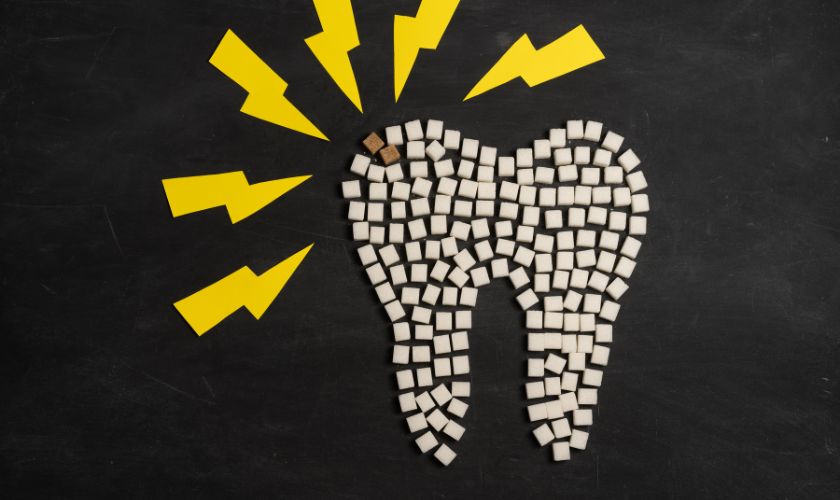
Tooth decay is a process that starts when the enamel on your teeth begins to break down. This can be caused by many things, including sugary drinks, not brushing your teeth regularly, and not flossing. The breakdown of enamel allows bacteria to get into the tooth and start to eat away at the dentin, which is the second layer of the tooth. This can lead to pain, sensitivity, and eventually a hole in the tooth (cavity). There are many ways to prevent tooth decay, including brushing your teeth twice a day, flossing regularly, and avoiding sugary drinks.
What Causes Cavities?
Cavities are most often caused by poor oral hygiene. When plaque and tartar are not removed from the teeth regularly, they can cause the enamel to break down and form cavities. Other factors that can contribute to cavities include dry mouth, acidic beverages, and sugary snacks.
How to Prevent Cavities
There are many ways to prevent cavities, and the best way to prevent cavities is to practice good oral hygiene. Brushing your teeth twice a day, flossing daily, and using mouthwash can help remove plaque and bacteria from your mouth and help keep your teeth healthy. Eating a balanced diet and avoiding sugary drinks and snacks can also help prevent cavities.
Common Dental Problems and Solutions
Cavities are one of the most common dental problems, but they are also one of the most preventable. There are a few simple things you can do to help prevent cavities:
- Brush your teeth twice a day with fluoride toothpaste
- Floss daily
- Eat a balanced diet and avoid sugary snacks
- Visit your dentist regularly for checkups and cleanings
If you do develop a cavity, the good news is that it can be treated with a simple filling. Your dentist will remove the decay and then fill the cavity with a materials such as composite resin or amalgam.
Tips for Maintaining Oral Health
Good oral hygiene is essential to preventing cavities. Here are some tips for maintaining oral health:
- Brush your teeth at least twice a day with fluoride toothpaste
- Floss daily to remove plaque from between your teeth
- Visit your dentist regularly for professional cleanings and checkups
- Limit sugary snacks and drinks
- Avoid smoking
How to Reverse Tooth Decay
Tooth decay is a serious problem that can lead to pain, infection, and even tooth loss. While it’s important to see your dentist regularly to prevent cavities, there are also some things you can do at home to help reverse tooth decay and keep your smile healthy and bright.
Here are some tips for reversing tooth decay
- Brush and floss regularly. This is one of the most important things you can do to prevent cavities and keep your teeth healthy. Be sure to brush twice a day for two minutes each time, and don’t forget to floss!
- Eat a healthy diet. Eating lots of sugary snacks can contribute to tooth decay, so it’s important to eat a balanced diet that includes plenty of fruits, vegetables, and whole grains. Avoid sugary drinks like soda, and limit how often you consume sugary foods.
- Use fluoride toothpaste. Fluoride helps to strengthen teeth and prevent cavities, so be sure to use a fluoride toothpaste when you brush your teeth. You can also get fluoride treatments from your dentist.
- Quit smoking. Smoking is bad for your overall health, including your oral health. quitting smoking can help reverse tobacco-related damage to your teeth and gums.
- See your dentist regularly. Regular dental checkups and cleanings are important for preventing cavities and keeping your mouth healthy.
Common Mistakes People Make When Brushing Their Teeth
- Not brushing for long enough: You should brush your teeth for two minutes at least. Anything less than that isn’t enough time to really clean your teeth and get rid of all the plaque and bacteria.
- Not using the right toothbrush: Be sure to use a toothbrush with soft bristles so you don’t damage your gums. Also, be sure to replace your toothbrush every three months or sooner if the bristles start to look frayed.
- Not flossing: Flossing is just as important as brushing when it comes to preventing cavities because it helps remove plaque and bacteria from in between your teeth where your toothbrush can’t reach.
- Using too much pressure: When you brush your teeth, be sure to use gentle pressure. Brushing too hard can damage your gum tissue and even wear down your enamel over time.
- Not rinsing: Be sure to rinse your mouth with water after you brush to remove any leftover plaque or bacteria.
Proper oral hygiene and regular check-ups with your dentist are key to avoiding the onset of tooth decay. By following these tips, you can effectively prevent cavities and maintain a healthy, beautiful smile for years to come. Be sure to brush twice daily, floss at least once, use mouthwash if recommended by your dentist and visit your dental office regularly in order to be proactive about preventing cavities. Together we can reduce our risk of developing tooth decay and improve our overall oral health!