26700 Towne Centre Dr #290 Foothill Ranch, CA 92610
Senior Dental Care in Foothill Ranch, CA

Your teeth change after 60—here’s what dentists want you to know in Foothill Ranch. Many adults assume that if they’ve kept their teeth this long, they’re in the clear. But the reality is more nuanced. Aging brings specific dental challenges that require a different kind of attention. At theSimpleTooth, Dr. Vu Le works with older adults to address these changes before they become serious problems.
Why Dental Needs Shift Significantly After Age 60
Your mouth doesn’t age the same way it did at 40. Decades of use, medication side effects, and natural tissue changes all accumulate. The result is a very different oral environment than what you had in your younger years.
Saliva production often decreases as people age. Many common medications—for blood pressure, allergies, and depression—list dry mouth as a side effect. Without enough saliva, bacteria thrive and enamel softens faster.
Gum tissue also naturally pulls back over time. This exposes the softer root surfaces of your teeth. Root surfaces aren’t protected by enamel, making them much more vulnerable to decay and sensitivity.
Bone density can decline too, particularly after menopause or with certain health conditions. This affects how well your jaw supports your teeth. It also influences your options if you ever need tooth replacement.
Dry Mouth, Root Decay, and Gum Recession in Foothill Ranch Seniors
Dry mouth is one of the most overlooked dental problems in older adults. It feels like a minor inconvenience. But without adequate saliva, your mouth loses its natural defense against acid and bacteria. Cavities can develop rapidly—even in people with previously healthy teeth.
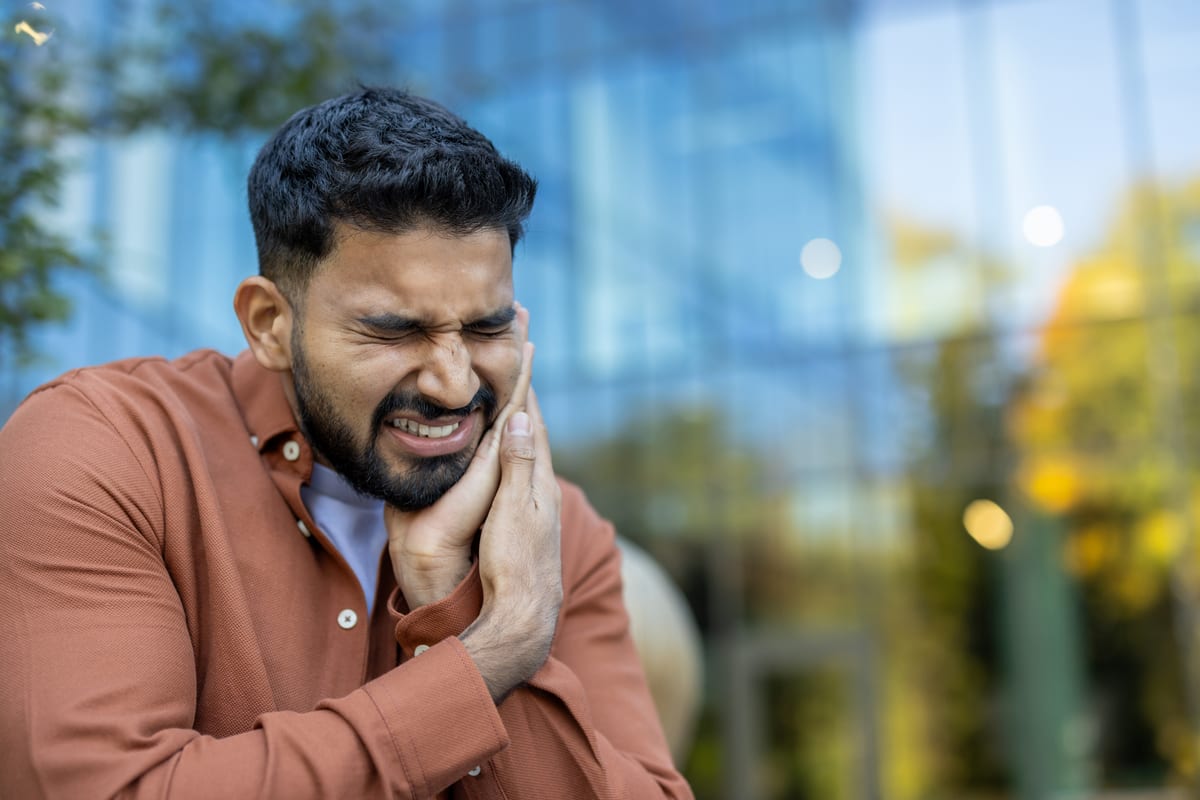
Root decay is especially common after 60. When gums recede, the exposed root area becomes a prime target for cavities. These cavities often develop faster than enamel cavities and can be harder to treat.
Here are common signs that dry mouth or gum recession may be affecting your oral health:
- Persistent bad breath that doesn’t improve with brushing
- Increased sensitivity to hot, cold, or sweet foods
- Teeth that look longer than they used to
- Frequent cavities despite good brushing habits
- A sticky or dry feeling in your mouth throughout the day
If you notice any of these, it’s worth mentioning them at your next dental visit. Early intervention makes a significant difference. Dr. Vu Le can recommend fluoride treatments, saliva substitutes, or adjusted hygiene routines to protect exposed root surfaces.
Dentures, Partials, and Why Implants Are Worth Considering
Tooth loss becomes more common after 60. It’s not inevitable, but it happens to many people. When it does, you face choices about how to replace missing teeth. Each option comes with real trade-offs.
Traditional dentures and partial dentures are familiar options. They’re removable, relatively affordable, and widely available. However, they don’t prevent jawbone loss, which continues after teeth are removed. Over time, bone shrinkage can change the fit of your dentures and alter your facial structure.
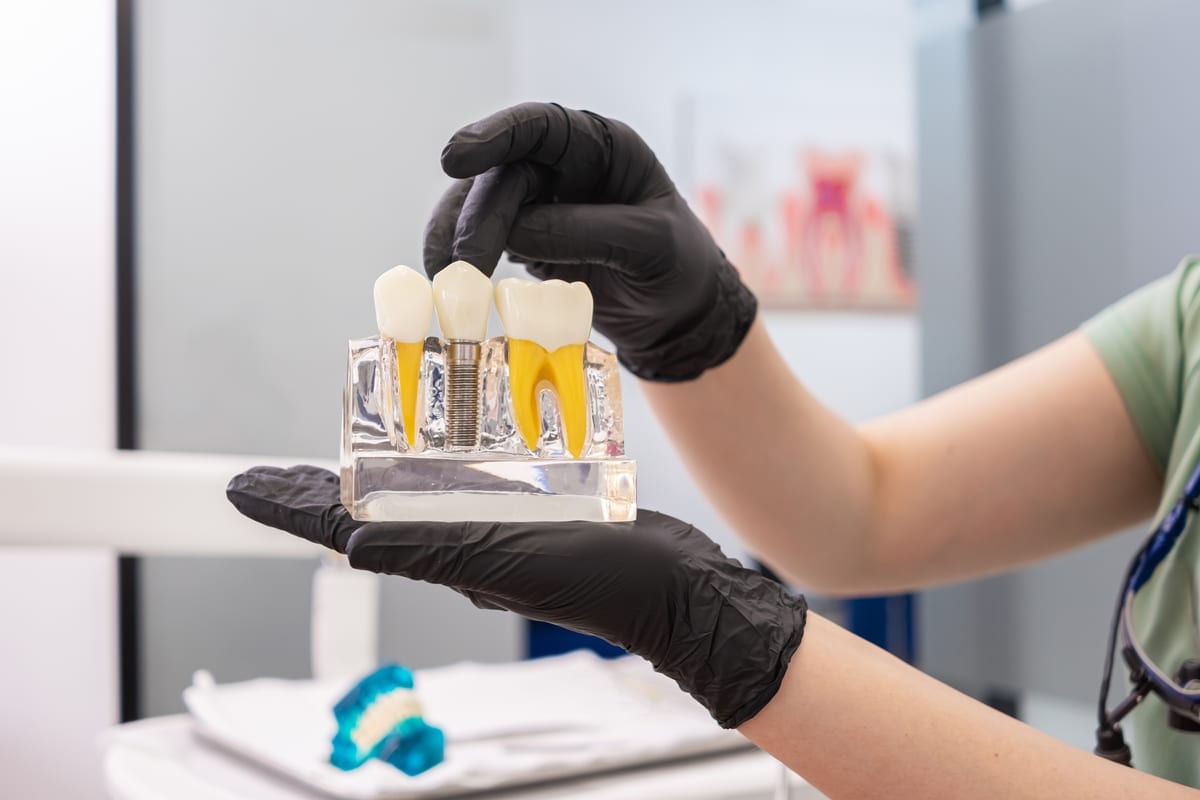
Dental implants offer a different approach. They’re surgically placed into the jawbone and function like natural tooth roots. They help preserve bone, improve chewing ability, and don’t require removal for cleaning.
Many people wonder whether implants are realistic after 60. The good news is that age alone is rarely the deciding factor. Bone density, overall health, and gum health matter more. If you have Dental Implant Questions And Answers, Dr. Vu Le is happy to walk you through candidacy, the process, and what to expect at every stage.
What a Senior-Focused Dental Visit Looks Like at theSimpleTooth
A routine cleaning looks a little different for patients over 60. The focus expands beyond cavity checks and polishing. Dr. Vu Le evaluates the health of gum tissue, checks for recession, and screens for oral cancer during every exam.
X-rays help assess bone levels and catch root decay early. Your dentist will also review your current medications. This helps identify drugs that contribute to dry mouth or other oral side effects.
Here’s what a senior dental visit at theSimpleTooth typically includes:
- Periodontal charting to measure gum pocket depth and recession
- Oral cancer screening using visual and physical examination
- Bone level assessment through updated X-rays
- A review of medications that may affect your oral health
- Personalized home care recommendations for sensitive teeth or dry mouth
- Discussion of any restorative or replacement options if needed
This comprehensive approach is designed around the specific risks that come with aging. It’s not about doing more for its own sake. It’s about catching problems that are genuinely more likely to occur after 60.
Keeping the Whole Family Healthy Across Every Life Stage
Dental health is a lifelong journey. It looks very different at 6, 36, and 66. At theSimpleTooth, Dr. Vu Le cares for patients across all stages of life. If you have grandchildren or younger family members who need a dentist, our Pediatric Dentistry services are available right here in Foothill Ranch.
Having one trusted practice for multiple generations makes care easier to coordinate. You can schedule appointments together and build a consistent relationship with a team that knows your family’s history.
Whether you’re managing a new dental challenge at 65 or just maintaining good habits, consistency matters. Regular visits remain the most effective way to stay ahead of age-related changes. Skipping appointments allows small problems to grow into larger, more complex ones.
Your Next Step Toward Better Oral Health After 60
Getting older doesn’t mean accepting tooth loss or pain as inevitable. It means being proactive about the changes that naturally occur. Dr. Vu Le and the team at theSimpleTooth in Foothill Ranch are here to help you navigate those changes with confidence and clarity.
Understanding what your teeth need after 60 is the first step. Acting on that understanding is what makes the real difference. You deserve dental care that’s designed around where you are in life—not a one-size-fits-all approach.
Take the next step toward protecting your smile for the years ahead. Book Now to schedule your appointment with our team.
Frequently Asked Questions
Why do teeth become more sensitive after age 60?
Gum recession exposes the root surfaces of teeth, which lack protective enamel. These surfaces are more sensitive to temperature and pressure. Dry mouth, which is common in older adults due to medications, can also increase sensitivity by reducing saliva’s buffering effect.
Can dry mouth from medications actually cause cavities?
Yes. Saliva neutralizes acids and washes away bacteria. When saliva production drops—often due to blood pressure, allergy, or antidepressant medications—cavity risk increases significantly. Your dentist can recommend fluoride treatments or saliva substitutes to help protect your teeth.
Am I too old for dental implants?
Age alone does not disqualify someone from getting implants. Candidacy depends more on bone density, gum health, and overall medical health. Many patients in their 60s, 70s, and beyond successfully receive implants. A consultation with Dr. Vu Le can determine whether implants are right for your situation.
How often should adults over 60 visit the dentist?
Most adults over 60 benefit from visiting the dentist every six months. However, those with gum disease, dry mouth, or higher cavity risk may need more frequent visits. Your dentist will recommend a schedule based on your individual oral health needs.
What can I do at home to protect my teeth as I age?
Use a soft-bristled toothbrush and fluoride toothpaste. Drink plenty of water throughout the day to combat dry mouth. Avoid tobacco products, which accelerate gum recession and bone loss. Ask your dentist about prescription fluoride rinses or gels if you’re at higher risk for root decay.