26700 Towne Centre Dr #290 Foothill Ranch, CA 92610
How Do I Stop My Clear Aligners From Staining?
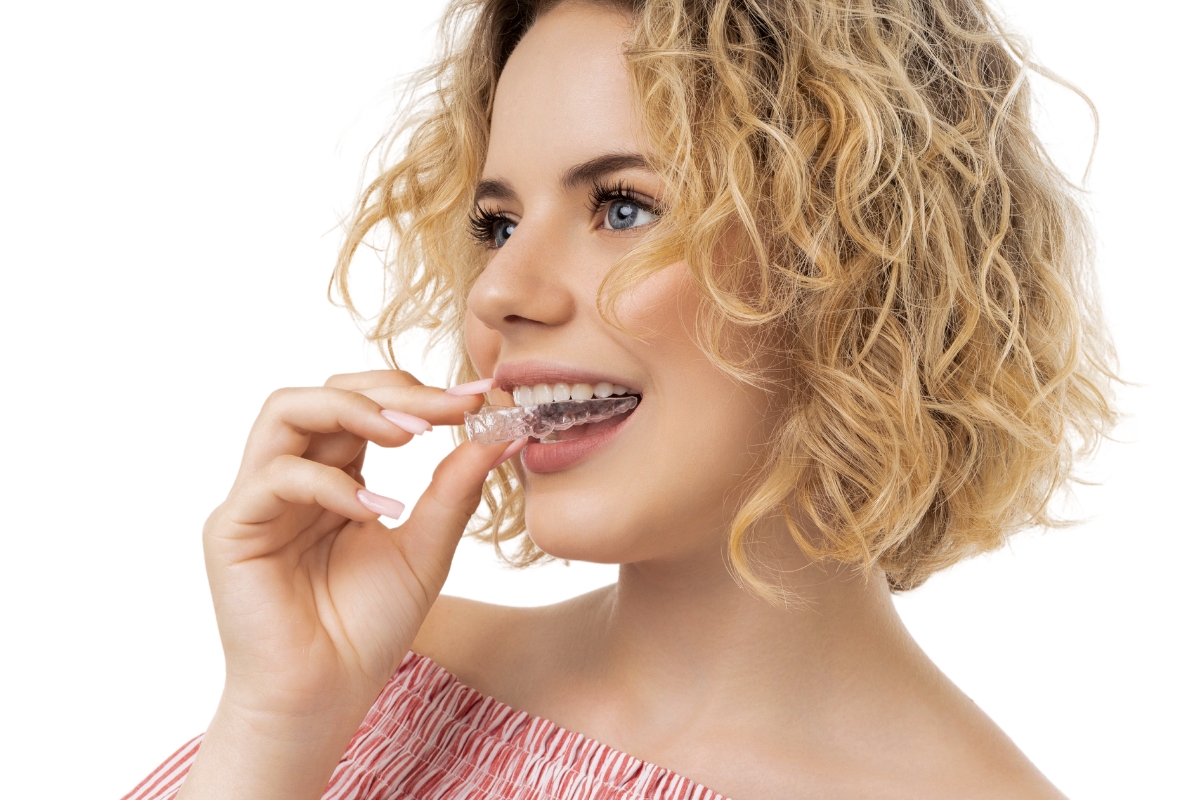
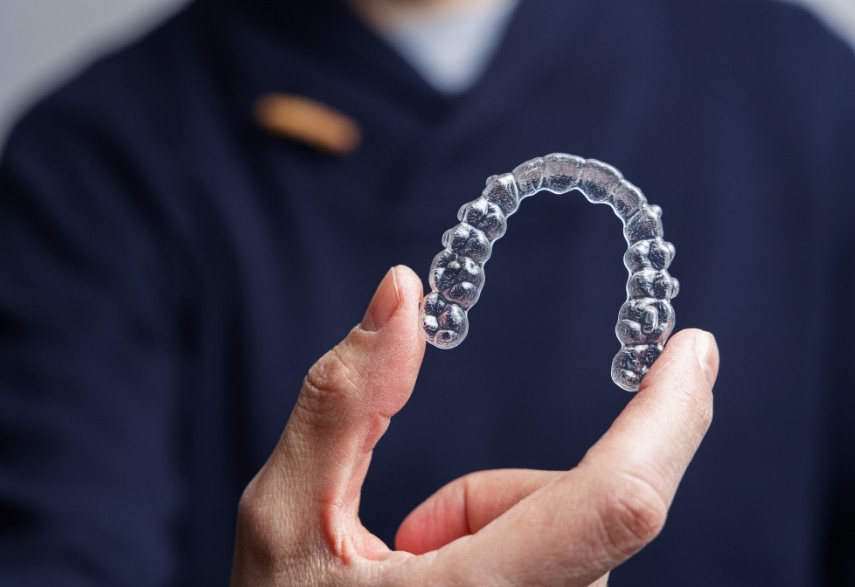
Clear aligners are one of the more appealing orthodontic options precisely because they’re discreet. The whole point is that most people won’t notice you’re in treatment. But stained or cloudy trays undercut that entirely — and it’s one of the most common frustrations patients bring up after the first few weeks of wear.
The good news is that staining is largely preventable. Most discoloration comes from a handful of very specific habits, and once you know what’s actually causing it, the fixes are straightforward. Whether you’re just starting treatment or already dealing with some yellowing, this guide covers what you need to know — backed by clinical reasoning, not guesswork.
Your clear aligner dentist in Foothill Ranch can walk you through the specifics of your trays at any appointment, but in the meantime, here’s a practical breakdown of what causes staining and how to prevent it.
Why Clear Aligners Stain in the First Place
Most clear aligners — including those made from the SmartTrack material used by Invisalign and similar thermoplastic polymers used by other brands — are designed to be stain-resistant under normal conditions. The problem is that “normal conditions” don’t include many of the things people routinely do while wearing them.
The thermoplastic aligner material is slightly porous at the microscopic level. Chromogens — the pigment-producing compounds found in coffee, tea, red wine, tomato-based sauces, and other deeply colored foods and beverages — can work their way into those tiny surface irregularities over time. Heat accelerates this process, which is why hot beverages are particularly damaging. Bacteria and plaque that aren’t thoroughly cleaned can also contribute to the yellowish film that builds up on trays.
Ask a clear aligner dentist to explain this mechanism, as it points directly to the behaviors that cause staining and those that prevent it.
The Non-Negotiable Rules for Stain-Free Aligners
Always Remove Aligners Before Eating or Drinking Anything Other Than Water
This is the single most important rule, and the most commonly broken one. Coffee in the morning, a diet soda at lunch, a glass of iced tea at dinner — every one of these can stain your trays if consumed while wearing them. It doesn’t matter whether a beverage is cold or sugarless.
Hot drinks are the worst for your aligners for two reasons: the chromogens they contain and the heat itself, which can temporarily soften the thermoplastic material and make it more susceptible to color absorption. A single cup of black coffee, when consumed with trays, can noticeably discolor them within days.
Plain, room-temperature, or cold water is the only exception. You don’t need to remove aligners to drink water — that’s it.
Rinse Your Mouth Before Putting Aligners Back In
After eating or drinking, food particles and pigmented residue linger in your mouth. If you pop your trays back in before rinsing — or better yet, brushing — you’re essentially sealing that residue against the surface of your aligners for hours. Even light-colored foods like crackers or pasta leave a starchy film that bacteria can work on.
The ideal routine: remove trays, eat, brush and rinse your mouth, then replace the trays. If you’re somewhere where brushing is impractical, at least rinse vigorously with water before putting the aligners back in.
Clean Your Trays Thoroughly — and with the Right Method
Rinsing trays under water alone isn’t enough. A light cleaning in the morning and at night helps prevent bacterial buildup that contributes to cloudiness and odor. Here’s what actually works — and what to avoid:
- Use a soft-bristled toothbrush and clear, unscented soap: Gently brush the inside and outside surfaces of each tray. Avoid colored or scented soaps, which can leave a residue of their own.
- Try aligner cleaning crystals or tablets: Products like Invisalign’s own cleaning crystals or third-party effervescent tablets (such as Retainer Brite) are formulated specifically for thermoplastic aligner material. A 15–20-minute soak can effectively remove bacterial buildup and light discoloration.
- Avoid toothpaste: Most toothpastes contain abrasive particles that scratch the aligner surface over time, creating micro-grooves where staining compounds and bacteria accumulate more easily. Clear or white toothpastes are less problematic than gel types, but cleaning tablets or soap are still preferable.
- Never use hot water: Hot water can warp the thermoplastic material, compromising the fit of your aligners. Always use lukewarm or cool water when cleaning.
- Don’t soak in mouthwash: Many mouthwashes — especially those with blue or green dye — will tint your trays. Even clear mouthwashes aren’t designed to soak aligner material, and they can degrade it over time.
Habits That Quietly Cause Staining (and How to Break Them)
Some staining culprits are obvious — red wine, coffee, soy sauce. Others catch people off guard. Here are a few that patients frequently overlook:
Turmeric, Beets, and Other Highly Pigmented Foods
Turmeric is one of the most aggressive staining agents in the kitchen — it will turn trays yellow within a single meal if they’re not removed first. Beets, berries (particularly blueberries and blackberries), and tomato-based sauces carry similar staining potential. These foods are nutritious, and there’s no need to avoid them; just make removing your trays a non-negotiable habit before you eat.
Smoking and Vaping With Aligners In
Tobacco smoke — and the particulates from vaping — cause significant yellowing of aligner material. Beyond aesthetics, these habits also impair oral tissue healing, which supports tooth movement and gum health during orthodontic treatment. Our dentist strongly advises against smoking during clear aligner therapy for both reasons. If you smoke, removing trays first reduces direct exposure, though residue in your mouth still creates issues.
Skipping the Morning Cleaning Routine
Saliva creates a slightly acidic oral environment overnight, and bacterial activity continues even while you sleep. Trays worn through the night accumulate a thin biofilm by morning. Many patients brush their teeth after waking but skip cleaning their aligners before putting them back in — or just rinse them quickly under the tap. That biofilm hardens into cloudiness over days. Taking 60 to 90 seconds to properly clean your trays each morning makes a visible difference by the end of a two-week tray cycle.
What to Do If Your Current Trays Are Already Stained
If you’re already a few weeks into a tray with visible discoloration, there’s a practical upside to how clear aligner treatment works: you’re changing trays regularly anyway. Most Invisalign protocols involve switching trays every one to two weeks, so a stained set has a natural end date. The goal becomes preventing the same issue from happening again with your next set.
For trays with moderate staining, a longer soak in aligner cleaning crystals or a diluted hydrogen peroxide solution (approximately 1 part 3% hydrogen peroxide to 3 parts water for 30 minutes) can lighten discoloration. This isn’t a complete fix for heavily stained trays, but it can improve their appearance enough to make the remaining days of wear more comfortable.
If your trays are significantly stained, warped, or damaged, contact our dentist. Replacement trays can be ordered if necessary, and our dentist would rather you have trays that fit and look right than push through with compromised ones.
Have Questions About Your Aligners? Let’s Talk.
Whether you’re considering clear aligners for the first time or already in treatment and running into issues, getting the right guidance early makes the whole process smoother. Staining, fit questions, compliance challenges — these are all things your dental team can help with.
Contact The Simple Tooth today to book a consultation or check-in appointment.
People Also Ask
Can I use a UV aligner cleaner instead of soaking?
UV aligner cleaners are available and can be effective for eliminating bacteria on the tray surface. They’re a reasonable complement to regular cleaning, but they don’t remove physical debris or break down staining the way soaking in cleaning crystals does. Using both — a nightly UV cycle plus a weekly deeper soak — gives you the benefit of both approaches. UV cleaning is particularly popular for patients who prefer a faster daily routine.
Does drinking through a straw protect my aligners?
It’s a common workaround that reduces direct contact between pigmented beverages and the tray surface. However, it doesn’t eliminate the risk — liquid still circulates in your mouth and reaches the inner surface of the tray. For very light, clear beverages, this might be an acceptable occasional compromise, but it’s not a reliable solution for coffee, tea, or anything with strong pigmentation. Removing trays is still the safest approach.
My aligners smell even though they look clear — what’s going on?
Odor without visible discoloration usually indicates bacterial buildup that hasn’t yet produced pigmentation. The oral microbiome is active around the clock, and trays create a warm, moist environment where bacteria thrive if not cleaned consistently. A deeper soak in cleaning crystals or effervescent tablets typically resolves this. If the odor persists despite thorough cleaning, it’s worth mentioning to our dentist — it can occasionally indicate an oral health issue that warrants attention.
Will lip balm or lipstick stain my aligners?
Possibly, particularly with deeply pigmented lip products. Bright reds, berries, and very dark shades can transfer onto the outer tray surface, especially at the front. Clear or lightly tinted lip balms are unlikely to cause issues. If you regularly wear bold lip color, removing your trays for events where you want to wear it is the safest call. Cleaning the outer surfaces of your trays after removing heavy lip products also helps.