
26700 Towne Centre Dr #290 Foothill Ranch, CA 92610

How to Help Your Child Stop Being Terrified of the Dentist
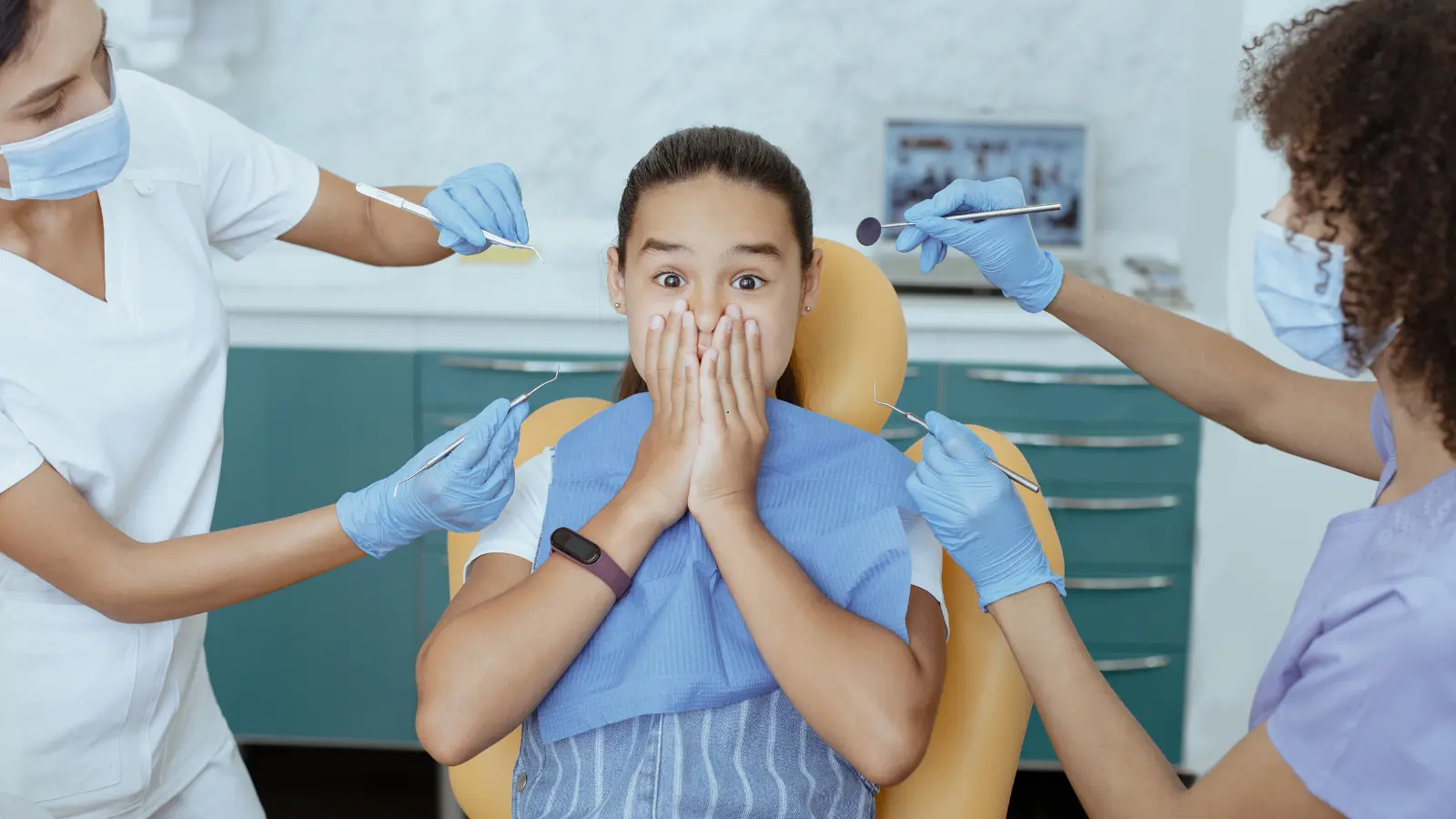
Is your child’s dental anxiety keeping you up at night? You’re not alone! Many parents struggle to help their little ones overcome their fear of the dentist. Don’t stress about your little one’s being terrified of the dentist! We’re here to help you turn those tears into smiles with easy-to-follow tips. Let’s tackle this together! Read on to discover how you can transform your child’s dental visits from horrifying to amazing!
As a parent, there’s nothing more heart-wrenching than seeing your child in distress. When it comes to dental visits, many children experience anxiety that can range from mild nervousness to full-blown panic. This fear not only makes appointments difficult but can also lead to long-term oral health problems if not addressed. The good news? With the right approach, you can help your child conquer their dental fears and develop a positive relationship with oral health care.
Understanding the Root of Dental Anxiety
Before diving into solutions, it’s crucial to understand why your child might be terrified of the dentist. Common reasons include:
- Fear of the Unknown: Children often fear what they don’t understand.
- Previous Negative Experiences: A bad past experience can make future visits stressful.
- Sensory Sensitivities: The sounds, smells, and bright lights in a dental office can overwhelm some children.
- Anxiety Passed Down from Parents: If you’re anxious about the dentist, your child might pick up on that.
- Fear of Pain or Discomfort: The idea of pain, even if they’ve never felt it, can cause fear.
By identifying the source of your child’s fear, you can customize your approach to address their specific concerns.
7 Proven Strategies to Help Your Child Stop Being Terrified of the Dentist
1. Start Early and Make It Fun
The sooner you start your child receiving dental care, the better. Begin with playful at-home “checkups” using toy dental tools. Make brushing and flossing a family activity. According to the American Academy of Pediatric Dentistry (AAPD), children who are introduced to dental care early are less likely to develop dental anxiety. This positive association with oral care can translate to less anxiety during actual dental visits.
2. Choose a Pediatric Dentist
Pediatric dentists handle children exclusively and frequently have offices designed to be kid-friendly. Their expertise in managing young patients can make a difference in your child’s comfort level. Many pediatric dental offices include toys, games, and themed decor to create a welcoming environment. This can significantly reduce a child’s anxiety.
3. Use Positive Reinforcement
Reward your child’s bravery during dental visits. This positivity could be as simple as verbal praise or a small treat (non-sugary, of course!) after the appointment. Studies have shown that positive reinforcement can help create a more favorable association with dental care. You could also use a rewards chart at home, where each successful dental visit earns a star, leading to a bigger reward.
4. Practice Relaxation Techniques
Teach your child simple relaxation methods, such as deep breathing or counting. These techniques can help manage anxiety during dental procedures. For example, you can practice “balloon breathing,” where your child imagines inflating a balloon as they breathe in and deflating it as they breathe out. This not only calms them down but also gives them something to focus on besides their fear.
5. Educate and Communicate
Knowledge is power! Explain dental procedures in age-appropriate terms. Use books, videos, or role-play to familiarize your child with what to expect. Motivate them to ask questions and express their concerns. A study from the Journal of Dental Research found that children who understood what would happen during their dental visits were less anxious. There are also apps designed to teach children about dental visits in a fun, interactive way.
6. Lead by Example
Children often mirror their parents’ attitudes. Show enthusiasm for your dental care and visits. Let your child see you practicing good oral hygiene and maintaining a positive attitude about dental checkups. If possible, schedule your checkup right before or after your child’s, so they can see that you’re comfortable with the process.
7. Consider Sedation Options
For severe cases of being terrified of the dentist, talk to your dentist about sedation options. From nitrous oxide (“laughing gas”) to oral sedatives, there are safe ways to help your child relax during treatment. However, these should only be considered after trying other methods, and it’s important to discuss the risks and benefits with your pediatric dentist.
Frequently Asked Questions
Q: How early should I start taking my child to the dentist?
A: The American Academy of Pediatric Dentistry recommends the first dental visit by age 1 or within six months after the first tooth appears. Early visits help prevent dental problems and reduce anxiety about future visits.
Q: What if my child has had a traumatic dental experience in the past?
A: Acknowledge their feelings and work with a pediatric dentist to create a plan for rebuilding trust. Gradual exposure through short, positive visits can help. It’s important to let your child know that their feelings are valid, and with time, they can overcome their fear.
Q: Can I stay with my child during the dental appointment?
A: Many dentists allow parents to accompany their children. Discuss this option with your dental office beforehand. Your presence can be reassuring to your child and help them feel more secure.
Q: Are there any tools or products that can help reduce dental anxiety at home?
A: Yes! Consider electric toothbrushes with timers, fun-flavored toothpaste, or apps that make brushing interactive and enjoyable. These tools can make dental care fun and less intimidating.
Q: How can I prepare my child for their first dental X-ray?
A: Explain the process simply, emphasizing that it’s like taking a picture of their teeth. Some dentists have demo equipment that children can explore before the actual X-ray, which can help them feel more comfortable.
Final Words!
Helping your child stop being terrified of the dentist is a journey that requires patience, understanding, and consistency. Putting these tactics into practice and staying in constant contact with your youngster and their dentist can pave the way for a lifetime of positive dental experiences. Remember, every small step counts; with time, your child can develop confidence and enthusiasm for dental care. Here’s to happy, healthy smiles for years to come!
Author Bio
Dr. Vu Le is a passionate dental health professional with years of experience in pediatric dentistry. As a certified DDS (Loma Linda University 2002), he has dedicated his career to helping people feel comfortable in the dental chair and empowering them with the knowledge to support their dental journeys.