26700 Towne Centre Dr #290 Foothill Ranch, CA 92610

Is Tooth Decay Genetic? Exploring the Role of Genetics in Dental Health
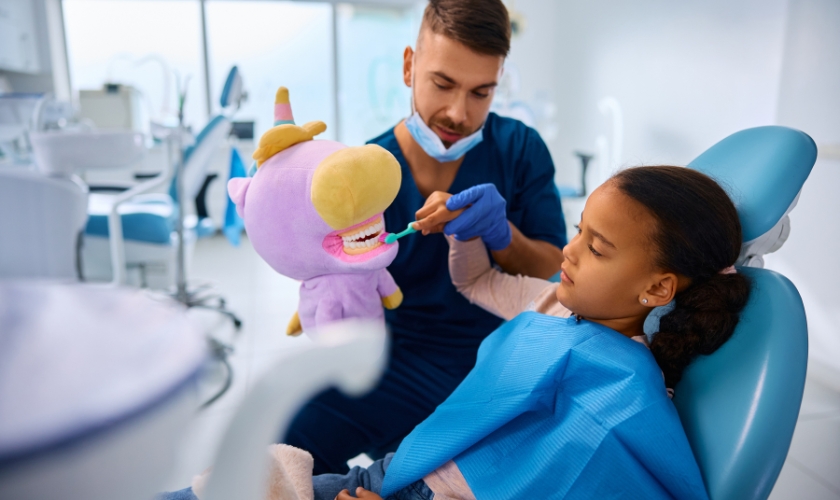
Tooth decay, also known as cavities, is a frequent oral health issue that affects people of all ages, including children who often require specialized care from a pediatric dentist. While poor oral hygiene and eating habits are frequently blamed for the development of cavities, there is a rising interest in determining whether genetics play a role in predisposing people to this tooth problem. This blog explores the question: Is tooth decay genetic?
Understanding Tooth Decay
Tooth decay develops when bacteria in the mouth turn sugars from our meals into acids, which destroy tooth enamel. Over time, this erosion causes cavities, which require restorative dental operations to repair. While oral hygiene, nutrition, and fluoride exposure all have an impact on the chance of acquiring cavities, researchers are also looking into hereditary variables that may contribute to susceptibility.
Genetic Predisposition
Research in dentistry reveals that heredity may have a role in a person’s susceptibility to tooth decay. Studies including twins, families, and huge population samples have revealed that oral health is inherited. Certain genes can influence tooth enamel strength, saliva composition, and even the makeup of oral bacteria, all of which increase the risk of cavities, highlighting the importance of early intervention by a pediatric dentist.
Saliva Composition
Saliva is important for maintaining oral health since it neutralizes acids and helps with enamel remineralization. Genetic differences can impact saliva production and composition, limiting its ability to protect teeth against acid attacks. Individuals with genetically determined reduced salivary flow or changed saliva composition may have an increased risk of developing cavities, underscoring the need for regular check-ups with a pediatric dentist near you.
Enamel Strength
Tooth enamel is the tooth’s outermost covering, acting as a protective barrier against deterioration. Genetic differences can have an impact on enamel formation and mineral composition, making it more sensitive to acid erosion. People with genetically thinner enamel may struggle to resist cavity formation, even with good dental hygiene routines.
Oral Microbiome
The oral cavity contains a complex ecosystem of bacteria that interact with one another, as well as with our teeth and gums. According to research, genetics can alter the composition of the oral microbiome, affecting dental health. Some people may inherit a microbiome that is more likely to produce acids or promote the growth of cavity-causing bacteria, highlighting the importance of regular consultations with a pediatric dentist for preventative care.
While genetics certainly play a role in determining an individual’s susceptibility to cavities, it’s crucial to remember that they’re only one part of the story. Oral cleanliness, diet, fluoride exposure, and regular dental care are all important variables in preventing tooth decay.
Understanding the genetic basis of dental health can aid in tailoring preventative treatments to individuals with a higher genetic tendency to tooth decay or cavities. Remember that everyone, regardless of genetics, benefits from a proactive approach to oral health. If you have any questions concerning cavity prevention or the role of heredity in tooth decay, please contact our pediatric dentist in Foothill Ranch, CA at theSimpleTooth today.