26700 Towne Centre Dr #290 Foothill Ranch, CA 92610
Bone Loss From Missing Teeth in Foothill Ranch, CA
If you have a missing tooth and haven’t replaced it yet, bone loss may already be happening beneath the surface. Many Portola Hills residents ask: is bone loss from missing teeth progressing right now? The honest answer is yes — it often starts within weeks of losing a tooth. Dr. Vu Le at theSimpleTooth in Foothill Ranch wants you to understand what’s happening so you can act before the damage becomes harder to reverse.
Why Bone Loss Starts Immediately After Tooth Loss in Portola Hills
Your jawbone needs constant stimulation to stay healthy. Every time you bite or chew, your tooth roots send pressure signals down into the bone. That stimulation tells your body to keep producing bone tissue in that area.
When a tooth disappears, those signals stop completely. Your body interprets the gap as an area that no longer needs support. It begins reabsorbing the bone within the first few months.
Studies show that up to 25% of bone width can be lost in the first year alone. After several years, the loss can become significant enough to affect neighboring teeth, your bite, and your facial structure. This is why timing matters so much.
Warning Signs You May Have Already Waited Too Long
Bone loss from missing teeth progressing in Portola Hills often happens silently at first. Most people don’t feel pain during the early stages. However, there are clear physical warning signs you should watch for.
- Shifting or drifting teeth: Neighboring teeth begin to tilt or move into the empty space over time.
- Difficulty chewing: You avoid certain foods or chew only on one side of your mouth.
- A sunken or collapsed look: Your cheeks or lips appear to sink inward near the gap.
- Loose teeth: Bone loss weakens the foundation supporting your remaining teeth.
- Changes in your bite: Your upper and lower teeth no longer meet comfortably together.
- Jaw soreness or headaches: Uneven chewing pressure strains your jaw joints and muscles.
If any of these signs sound familiar, don’t wait longer. Each month without a replacement increases the complexity and cost of future treatment.
How Shifting Teeth and Chewing Problems Signal Deeper Bone Loss
Shifting teeth are one of the most visible signs that bone loss is already underway. When a tooth drifts into an empty space, it creates new gaps elsewhere. Those new gaps then begin their own cycle of bone loss.
Difficulty chewing is another red flag that most people dismiss too quickly. Many patients believe they’ve simply adapted to eating differently. In reality, uneven chewing puts excess stress on remaining teeth and jaw joints.
Over time, that stress causes wear, cracking, and even additional tooth loss. What began as a single missing tooth can cascade into a much larger problem. Recognizing these signs early gives you the best chance of a simpler, more affordable solution.
At theSimpleTooth, Dr. Vu Le uses digital imaging to assess actual bone levels before recommending any treatment. This helps you see exactly how much loss has occurred and what your options are moving forward.
Is Bone Loss From Missing Teeth Progressing Right Now? What a Dental Implant Does
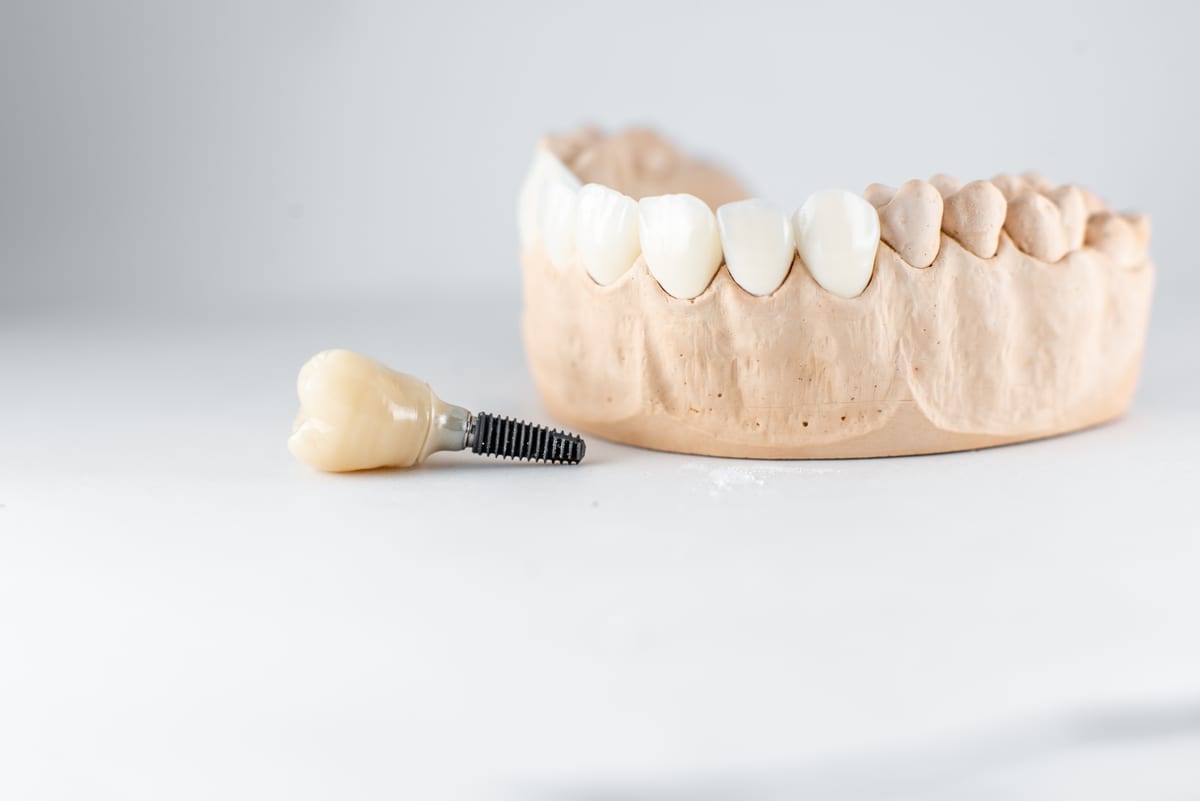
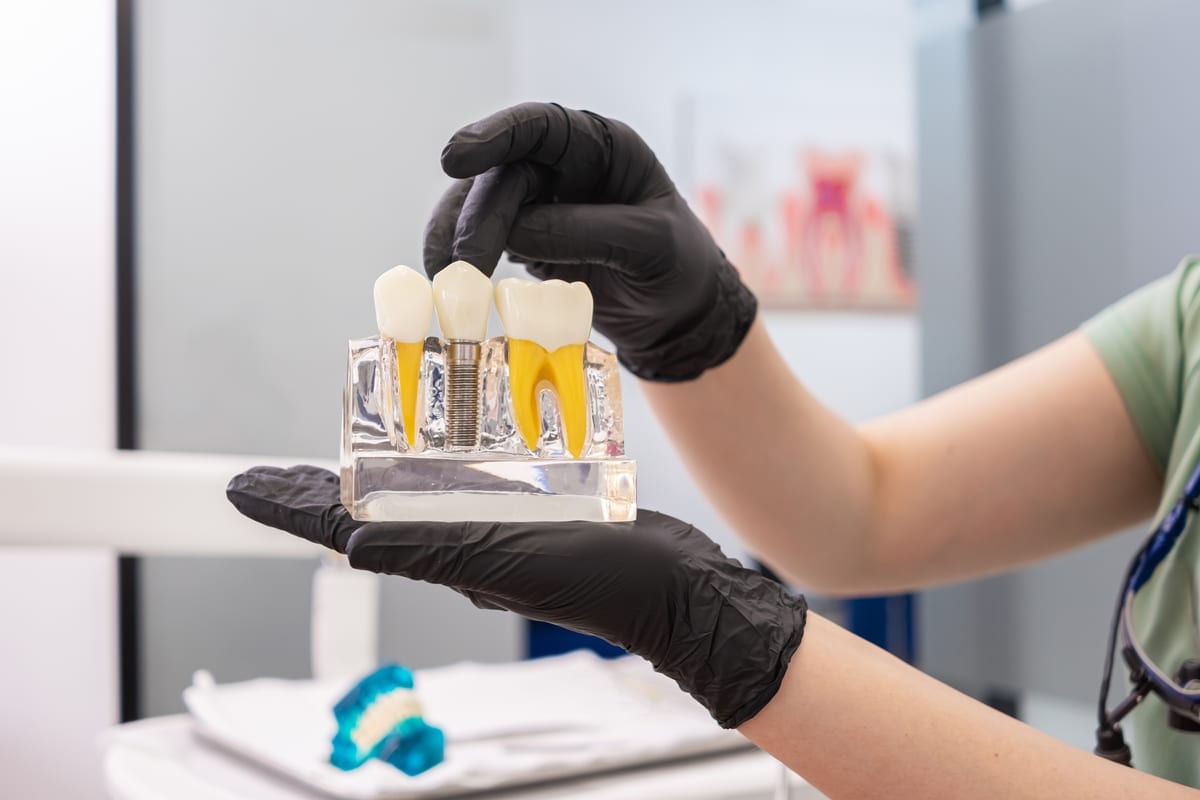
A dental implant is the only tooth replacement option that directly addresses bone loss. The titanium post acts as an artificial root, restoring the stimulation your jawbone needs to stay strong.
Once the implant integrates with the bone, it halts further deterioration. In many cases, it actually encourages new bone growth around the implant site. No other option — not a bridge, not a partial denture — provides this biological benefit.
- Stops bone resorption: The implant post mimics a natural root and preserves surrounding bone.
- Prevents tooth shifting: Filling the gap keeps neighboring teeth in their correct positions.
- Restores chewing function: You can eat comfortably without avoiding any foods.
- Supports facial structure: Preserved bone prevents the sunken appearance caused by prolonged tooth loss.
- Long-term durability: Implants are designed to last decades with proper care.
The sooner an implant is placed after tooth loss, the more bone is preserved. Waiting longer may require additional bone grafting procedures before an implant becomes possible.
Who Else in Your Family May Be at Risk
Bone loss from tooth loss isn’t only an adult concern. Children and teenagers who lose permanent teeth early also face bone development challenges. If your child has experienced a knocked-out or extracted permanent tooth, their jawbone development can be affected long-term.
Our Pediatric Dentistry team at theSimpleTooth monitors jaw growth and guides early intervention when needed. Catching these issues in younger patients prevents more serious structural problems later in life.
For adults who want to restore both function and aesthetics after tooth loss, our Cosmetic Dentist services offer comprehensive smile reconstruction. Dr. Vu Le creates personalized treatment plans that address bone health and appearance together.
What to Expect When You Visit theSimpleTooth in Foothill Ranch
Your first step is a thorough evaluation. Dr. Vu Le will take digital X-rays and review your bone levels to determine how much loss has already occurred. This assessment tells you exactly where you stand and what options are available.
If bone loss is minimal, implant placement may proceed relatively quickly. If more significant loss has occurred, a bone graft may be needed first to rebuild a stable foundation. Either way, you’ll leave with a clear understanding of your path forward.
theSimpleTooth also offers Same-Day Dentistry for patients who need faster solutions. Our team understands that life in Portola Hills and Foothill Ranch is busy, and we work to accommodate your schedule without compromising care quality.
Take Action Before Bone Loss Becomes Irreversible
Bone loss is a progressive condition. Every day without a replacement allows the deterioration to continue quietly. The good news is that modern dental implants can stop that progression — but only if you act before the damage becomes too severe to correct easily.
Dr. Vu Le and the theSimpleTooth team are here to guide Portola Hills patients through every step of the process. You deserve honest answers, a clear treatment plan, and care that puts your long-term health first. Book Now to schedule your appointment with our team.
Frequently Asked Questions
How quickly does bone loss start after losing a tooth?
Bone loss can begin within just a few weeks of tooth loss. The jawbone starts resorbing because it no longer receives stimulation from the missing tooth root. Significant width loss often occurs within the first year, which is why early evaluation is so important.
Can bone loss from missing teeth be reversed?
In many cases, bone loss cannot be fully reversed on its own. However, a bone graft procedure combined with a dental implant can restore lost volume and halt further deterioration. The earlier you seek treatment, the less grafting may be required.
Is bone loss painful to experience?
Bone loss itself is often painless in the early stages, which is why many people don’t realize it is happening. Pain or discomfort typically appears later, when neighboring teeth shift, the bite changes, or jaw joint strain develops. Regular dental evaluations help detect silent bone loss before symptoms appear.
Will a dental bridge or denture stop bone loss?
No. Bridges and dentures sit above the gumline and do not stimulate the underlying jawbone. Only a dental implant, which acts as an artificial root embedded in the bone, can restore the stimulation needed to prevent continued bone resorption.
How do I know if I need a bone graft before getting an implant?
Dr. Vu Le will take digital X-rays and evaluate your bone density during your initial consultation. If the bone has thinned significantly, a graft may be recommended before implant placement. This step ensures the implant has a stable, healthy foundation for long-term success.